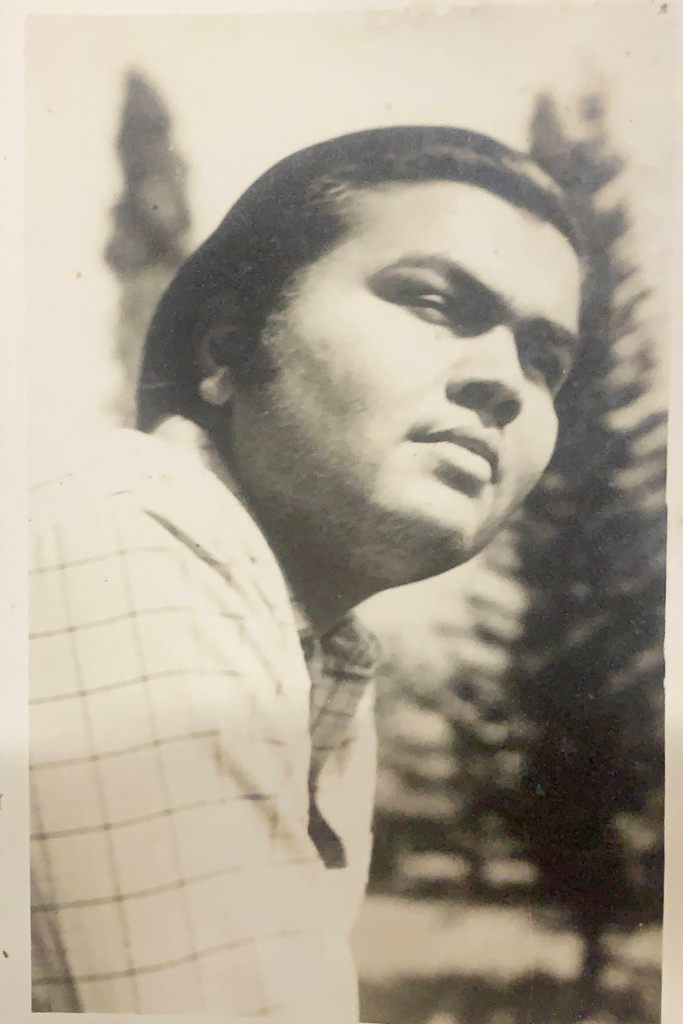
After completing B. Tech.EE degree in 1974, I completed a master’s degree in electrical engineering from Stanford University. After IIT, Stanford was a cakewalk, and I completed it in five quarters against the regular eight. While at Stanford, I had the good fortune to meet many leaders like David Packard (of Hewlett Packard fame) and Nobel laureate William Shockley, inventor of the transistor, as well as other laureates and masters in their fields. I particularly remember Prof. James Meindl at Stanford, a pioneer in microelectronics, who helped me prepare a project plan to start a microelectronics company in India. Microelectronics just consisted of Nand and Nor gates then and it would take a few years for microcontrollers to come into the market. All the major semiconductor companies like Texas Instruments, Motorola, Fairchild, Intel, National, were in the Bay Area. I had offers to join them but the bug to start something in India was very strong. Supported by my father and my family, I prepared a project report while obtaining my master’s with the intention of staring a company in India.
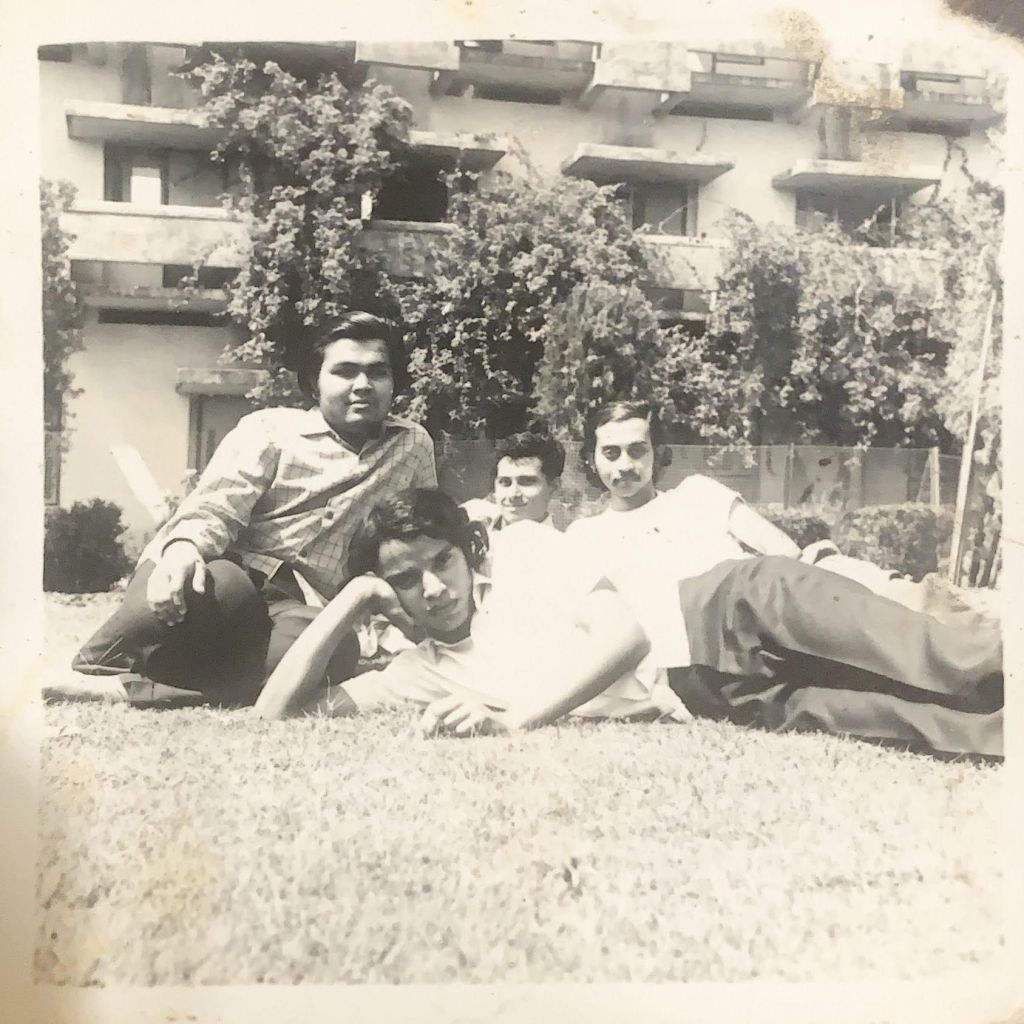
After returning to India, we finalised the proposal and finance plan and submitted it to the Director General, Technology Development, (DGTD) in New Delhi. India at that time was under the Licence Permit Raj and everything was decided from Delhi. We thought microelectronics was a new topic in India and India needed it but the Babus in Delhi believed high technologies like that could not be allowed in the private sector. They would only give us a license to manufacture ICs in India if we set up a joint venture with one of the State Government operations (in this case Meltron in Maharashtra). Knowing how bad partnering with the state was at that time, we decided not to go ahead. We wanted to start a venture where we would not only own the technology but also manage everything except the funding which the State government would give us. We gave up the microelectronics project. Who knows how far we would have come if we had started it 50 years ago given how much the government is struggling with manufacturing microcontrollers in India.
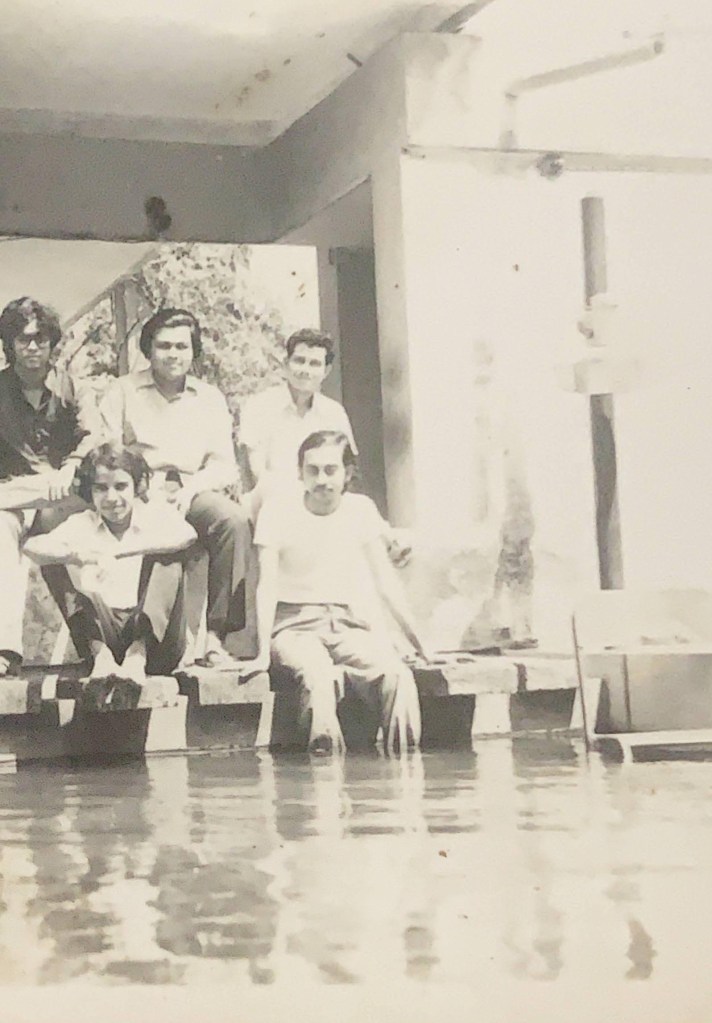
I didn’t give up hope. After working at a few odd jobs in Bombay, I moved to Nashik in 1983 and set up Rishabh Instruments Pvt Ltd with a foreign collaboration with BBC Metrawatt from Germany, a subsidiary of Brown Boveri Corporation (present day ABB-Asea Brown Boveri Ltd). We were to manufacture Analog Meters to measure all the electrical parameters. Today it might appear to be very low technology but at that time there were not many local manufacturers of quality analog panel meters. We got the technology from Germany and finance from SICOM (State Investment Corporation of Maharashtra). MIDC supported us in buying land, getting water, and electricity connections. I set up the unit in Satpur Nasik MIDC industrial area, which was only 4 hours from Bombay. My family was in Mumbai so, obviously, the choice was to stay as close to Bombay as possible. Maharashtra was always a preferred destination for starting a new industry.
Like any start up, the first five years were very difficult. We had to assimilate the German technology, which was not easy; manage funding for the growth, working capital and indigenization; even as we were learning all the facets of being an entrepreneur running a business. As a new entrant in the market, it took time for us to establish our reputation while competing with cheaper Indian products when the buying customer was not as willing to pay for our quality as they are today. With lower costs, we were able to stabilize the company after 4 to 5 years.
Based on this startup experience, when I speak with engineering and management colleges, I recommend that, in addition to technical subjects, students be taught topics of entrepreneurship, ethics, logic and psychology.
Our collaboration with Metrawatt required us to pay half of the collaboration fees of 600 thousand Deutschmarks up front and the rest as we began earning. Since we had no profits in the first few years our collaborators got nothing. After a few reminders, they decided to engage a lawyer in Delhi to go after us legally. The lawyer assured them that they would easily get a decree from the court to get their money. Fortunately, I knew the Germans who had come to meet the lawyer and invited them to Nashik. I agreed with them that they would be able to get a decree, but to get the money due them they would either have to wait a few years until we were profitable or they would have to liquidate our company and sell off the assets, in which case the secured creditors like the bank and SICOM would get their share first and not unsecured creditors like our German collaborators.
Realizing his dilemma, he decided not to pursue the legal route. He stayed in Nashik a few more days and saw the quality and dedication of our work. As labour in Germany was expensive, he suggested that we sell our meters to his company. We struck a deal, where we were paid 10 DM per meter, which he found mouthwatering as his own costs were 16-17 DM per meter. For us, 10 DM would be good business as it would cover our costs and provide a healthy margin. His bosses agreed to the deal after seeing a few samples we shipped. The entire relationship was a win-win. The sales volume to Germany was many times our Indian sales. The fact we were selling to Germany, quickly increased the perception of the quality of our products. Larsen and Toubro approached us, offering to be the sole selling agency for our panel meters. This was attractive as we could focus on manufacturing while L&T did the sales and marketing. There was no looking back. Volumes increased so much that we had to increase our capacity and expand our space.
After repaying our collaborators in 3 years, we suggested a change in our pricing. Metrawatt refused as they felt they would not be competitive in the German market. Instead, we proposed keeping the price fixed in exchange for access to their digital technology for transducers, multimeters etc. as the market was moving to digital. Metrawatt agreed and we wound up with their superior technology for free while they continued to buy at the previous price. Business continued to boom. We entered other countries like the UK and Switzerland. We followed the same model with a collaborator in the UK, Crompton Instruments (now part of Tyco), that started buying multifunction meters from us.
The half-life of products was shrinking fast. Technology we got from our collaborators was outdated in 7 to 10 years. We realized we had to come up with better models, lower prices, bigger features, etc. to keep up. We decided to set up our own Research and Development center in Nashik. We sent our employees abroad to exhibitions and training.
Eventually our designs were so good that our German collaborator wanted our products, but they needed them to be made in Europe. We looked at buying a German company but that proved difficult. Instead, we looked across the border at Poland where the government was moving from communism to capitalism and privatizing their state-owned assets. Buying from the Polish government had its own challenges. The company we were interested in was not profitable and it had two units, one an electronic manufacturer and the other an aluminum high pressure die casting unit, which we really were not interested in purchasing. The government refused to split them up and we wound up buying them both with the intention of hiving off the die casting unit eventually. We took out one of our company’s largest loans from the State Bank of India to buy this.
In five years, we were able to stabilize the company, use it to cross sell our products all over Poland and Europe and introducing their Polish products in India. We learned a lot from this acquisition and went on to acquire two more companies in the UK and China. We later developed the American market. It has been a very good acquisition spree. Finally, last year Rishabh went public with an IPO that was very well received in the Indian market. Today we are a company with over 2000 employees, the majority of whom are abroad in Poland, China, UK, Spain, Hungary and the USA.
Over the course of our company’s growth, we have developed a set of very strong business principles. They include not taking unnecessary loans, making sure we were able to service the loans taken, and making sure that we did not ruffle the feathers of any of our suppliers, customers or employees. We have built up a reputation as a fair company to deal with both in India and abroad, sometimes even at a small cost. We feel it is better to pay the cost than spoil your relationship with your associates. We are proud to have undertaken around 20 long-term supply and technology agreements, joint ventures and acquisitions without a single dispute. Rishabh takes a proactive view and settles any disputes before going for arbitration.
The motivation to work comes from success and from new things you learn from each partner. Maybe it’s new technologies, new markets, new products or dealing with people who speak various languages. Never keep doing the same work. I change my profile every 3 or 4 years so that people working for you have an opportunity to learn new skills. Never be satisfied with your performance so that each year is an uphill journey for the tasks you undertake. Develop a business sense with long term goals rather than short term results.
I live in Nashik with my wife, daughter, son and daughter-in-law with 2 grandsons aged four and two.
India is at a unique sweet spot, and we must ensure that talent flourishes in the country. I would like to see research develop in our universities. With that in mind, I have decided to set up a “Rishabh Centre for Research and Innovation in Green Energy” at IIT Jodhpur, which is one of the newer IITs on a very well built 800-acre Campus. Having met so many Nobel laureates in my life, we must ensure that India can produce many more laureates than we have produced. By funding and guiding original research, it is not long before we will have such Nobel worthy research being undertaken in India.
 IIT Bombay 1974 Reunion